 By blogziro123@gmail.com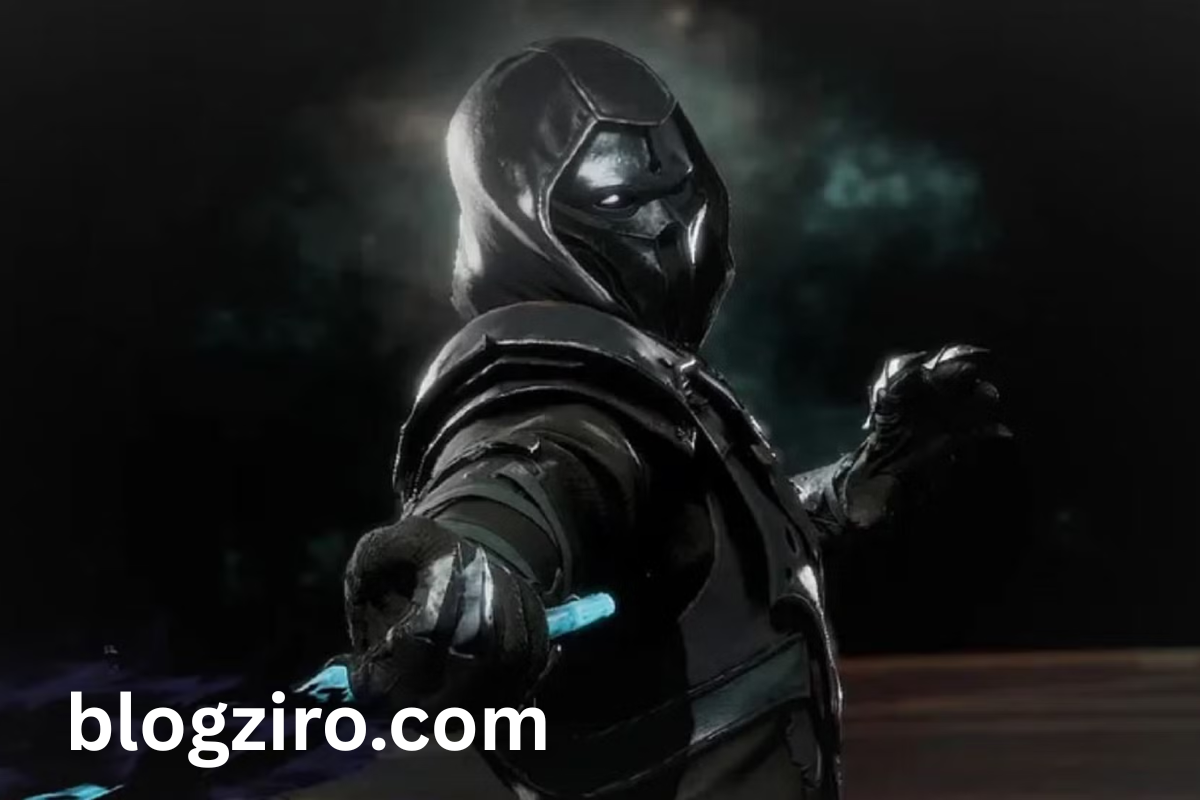
Meta Description:
Learn everything about Mortal Kombat Noob Saibot—his true identity, origin story, shadow powers, key rivalries, top game appearances, and why he remains a fan-favorite MK ninja.
Introduction: The Darkest Ninja in Mortal Kombat
Some Mortal Kombat characters are loud, flashy, and full of jokes. Noob Saibot is the opposite. He is silent, cold, and terrifying—like a living shadow that steps out of the darkness.
If you’ve ever wondered who Noob Saibot really is, why he looks like a black-clad ninja, and how his powers work, you’re in the right place. This guide breaks it all down in simple English, so even if you’re new to Mortal Kombat, you’ll understand his story, abilities, and why he’s such an important part of MK lore.
What Is Noob Saibot in Mortal Kombat?
Noob Saibot is one of the most iconic “ninja-style” fighters in Mortal Kombat. He is known for:
-
Shadow teleportation
-
A shadow clone (often called “Saibot”)
-
Dark, ghost-like energy attacks
-
A brutal, ruthless fighting style
But the real reason he stands out is his identity. Noob Saibot is not “just another ninja.” He is tied to one of the biggest legacy characters in the franchise.
Noob Saibot’s True Identity: Who Is He Really?
The man behind the shadow: Bi-Han
In Mortal Kombat lore, Noob Saibot is Bi-Han, the original Sub-Zero. Over time, his story becomes one of the darkest transformations in the series. Mortal Kombat Wiki
That twist is a big reason fans love him. It makes his character feel tragic, dangerous, and personal—especially because it directly affects other major MK characters.
Noob Saibot Origin Story (In Simple Words)
Noob Saibot’s story depends on which Mortal Kombat timeline you follow, because MK has reboots and timeline changes.
1) Classic / original timeline basics
In older lore, Bi-Han starts as the first Sub-Zero and is deeply involved with the Lin Kuei clan. Eventually, he dies and returns in a corrupted form connected to dark realms and sinister forces. Mortal Kombat Wiki+1
2) Modern rebooted lore changes
In the newer Mortal Kombat 1 “current timeline,” the story direction changes and tries to reshape character fates—meaning the classic “Noob Saibot transformation” isn’t always guaranteed in the same way. Mortal Kombat Wiki
Why this matters for fans:
Even when the timeline changes, Noob Saibot remains a symbol of what happens when power, ambition, and darkness win.
Why Is He Called “Noob Saibot”?
This is one of the fun MK facts.
The name “Noob Saibot” is famously tied to the franchise’s history, and the character started as a secret/hidden fighter concept in early games. He first appeared as a secret character in Mortal Kombat II. Mortal Kombat Wiki+1
Noob Saibot Powers Explained
Noob Saibot’s powers feel like a horror movie version of a ninja. His core ability is basically:
Shadow control (darkness manipulation)
He can use shadows like weapons—teleporting, creating clones, and attacking from angles that feel unfair (in a good way).
Common Noob Saibot abilities include:
-
Teleportation: appears behind you instantly
-
Shadow clone attacks: the clone hits while he repositions
-
Dark projectiles / “ghostball”-style energy: shadow force ranged attacks
-
Shadow traps and setups: pressure tools that punish careless movement
Many descriptions of his kit emphasize invisibility/teleports and shadow constructs/clones, which is the “signature feel” of the character. Villains Wiki
How the Shadow Clone “Saibot” Works
H3: The clone isn’t just a visual effect
Noob’s shadow partner is often treated like a second fighter. It can:
-
Extend combos
-
Cover space
-
Create mix-ups (you block one side, the clone hits the other)
-
Make his offense feel unpredictable
This is why people say fighting Noob Saibot feels like fighting two characters at once.
Noob Saibot’s Fighting Style: What Makes Him So Strong?
Noob Saibot is popular because he rewards smart play. He’s usually designed as a character who:
-
Controls pace with teleports and clone pressure
-
Punishes mistakes hard
-
Turns fear into advantage (people panic vs teleport characters)
Key strengths
-
Excellent whiff punishing (catching missed attacks)
-
Strong mind games
-
Threat from many angles (because of the clone)
Typical weaknesses (in many MK designs)
-
Requires good timing and spacing
-
Predictable teleports can be punished by experienced players
-
Needs practice to maximize clone setups
Best Mortal Kombat Games for Noob Saibot Fans
Noob Saibot has appeared across multiple MK eras. A few big highlights:
Mortal Kombat II (Secret Character Era)
His early identity was mysterious and legendary because he was hidden. Mortal Kombat Wiki+1
Ultimate Mortal Kombat 3 and beyond
He becomes more recognized as a real roster presence in later games. Mortal Kombat Wiki
MK11 (Modern Noob, Full Shadow Horror Vibe)
Modern entries push his shadow visuals and clone brutality, making him feel like a complete character fantasy. Villains Wiki
Mortal Kombat 1 and DLC context
In MK1’s content cycle, Noob Saibot was included as part of Year 2 / expansion-related content coverage by major outlets. Shacknews+1
NetherRealm later publicly indicated MK1 would continue with balance/fixes but no additional DLC characters or story chapters after a certain point. GamesRadar+
(Translation: if you’re waiting for endless new MK1 characters, the game’s content roadmap has a clear “stop line.”)
Why Noob Saibot Is a Fan Favorite
Noob Saibot hits three things MK fans love:
-
Mystery: a character who feels like a myth
-
Style: black smoke, darkness, clean ninja silhouette
-
Story impact: tied to major characters and clan drama
-
Gameplay identity: shadow clone makes him unique
He’s not just cool-looking. He feels like a “concept done right.”
Key Takeaways
-
Noob Saibot is Bi-Han, the original Sub-Zero in classic lore. Mortal Kombat Wiki
-
He first appeared as a secret character in Mortal Kombat II, boosting his legendary status. Mortal Kombat Wiki
-
His signature ability is shadow manipulation, including teleports and a shadow clone. Villains Wiki
-
Timeline changes can reshape his fate, but he remains one of MK’s most iconic ninja characters.