 By blogziro123@gmail.com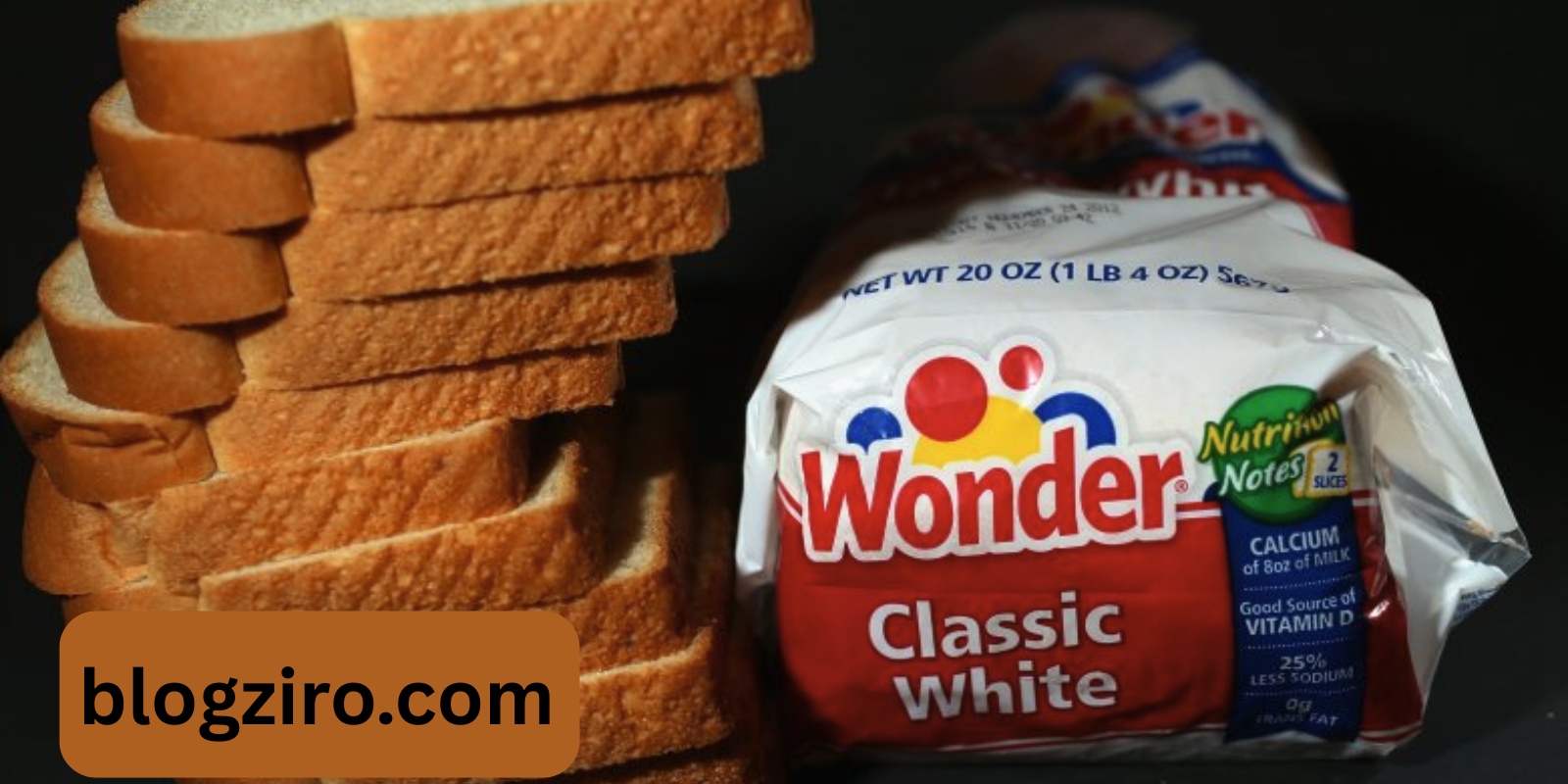
Meta Description:
Wonder Bread nutrition explained in simple terms. Learn calories, ingredients, vitamins, health pros, cons, and how to eat Wonder Bread wisely.
Introduction:
Why So Many People Ask About Wonder Bread Nutrition
Wonder Bread has been part of American kitchens for generations. From school lunches to quick sandwiches, it’s one of the most recognizable white breads in the U.S. But as people become more health-conscious, many ask the same question: Is Wonder Bread actually good for you?
Understanding Wonder Bread nutrition helps you make better everyday food decisions—especially if you eat bread often. This guide breaks down calories, ingredients, vitamins, health benefits, concerns, and how to enjoy Wonder Bread in a balanced way. No hype. No fear tactics. Just clear, honest information you can trust.
What Is Wonder Bread?
Wonder Bread is a popular brand of white bread known for its soft texture and mild taste. It’s widely available in grocery stores and commonly used for:
-
Peanut butter and jelly sandwiches
-
Toast with butter or jam
-
Grilled cheese
-
Simple breakfast or snack meals
The bread is made from enriched wheat flour and fortified with several essential nutrients, which plays a big role in its nutritional profile.
Wonder Bread Nutrition Facts (Per Slice)
Below is a general nutritional overview of one slice of classic Wonder White Bread. Values may vary slightly by product type.
Basic Nutrition Breakdown
-
Calories: ~70
-
Carbohydrates: ~13 g
-
Protein: ~2 g
-
Fat: ~1 g
-
Fiber: <1 g
-
Sugar: ~2 g
-
Sodium: ~135 mg
This makes Wonder Bread a low-fat, moderate-carb food that fits easily into many daily calorie plans.
Vitamins and Minerals in Wonder Bread
One key reason Wonder Bread remains popular is fortification. During processing, nutrients are added back into the flour.
Key Nutrients You Get
-
Iron – Supports oxygen transport in the blood
-
Folate (Folic Acid) – Important for cell growth and pregnancy health
-
Thiamin (Vitamin B1) – Helps convert food into energy
-
Niacin (Vitamin B3) – Supports metabolism and skin health
-
Riboflavin (Vitamin B2) – Aids energy production
These nutrients help prevent deficiencies, especially in diets that lack variety.
Ingredients Explained in Simple Terms
Many people worry about what’s inside packaged bread. Let’s simplify it.
Main Ingredients
-
Enriched Wheat Flour: Refined flour with added vitamins
-
Water: For dough formation
-
Sugar: Adds mild sweetness and helps yeast rise
-
Yeast: Causes the bread to rise
-
Vegetable Oils: Improve softness and shelf life
-
Salt: Enhances flavor
-
Dough Conditioners & Preservatives: Maintain texture and freshness
While some ingredients sound technical, they are commonly used in commercial bread production.
Is Wonder Bread Healthy or Unhealthy?
This depends on how often you eat it and what else is in your diet.
Potential Benefits
-
Low in fat
-
Fortified with essential vitamins
-
Easy to digest
-
Affordable and widely available
-
Good energy source for active individuals
Possible Downsides
-
Low fiber compared to whole-grain bread
-
Can raise blood sugar quickly
-
Not very filling on its own
-
Contains added sugar and sodium
Wonder Bread is not junk food, but it’s also not a superfood. It sits somewhere in the middle.
Wonder Bread vs Whole Wheat Bread
Many readers compare white bread to whole wheat bread when choosing healthier options.
Key Differences
Wonder Bread (White Bread):
-
Softer texture
-
Lower fiber
-
Mild taste
-
Fortified nutrients
Whole Wheat Bread:
-
Higher fiber
-
More filling
-
Slower blood sugar rise
-
Contains natural grain nutrients
If digestion comfort and taste matter most, Wonder Bread works. If fiber and fullness are priorities, whole wheat may be better.
Can Wonder Bread Fit into a Healthy Diet?
Yes—when eaten mindfully.
Smart Ways to Eat Wonder Bread
-
Pair with protein (eggs, peanut butter, turkey)
-
Add fiber-rich toppings (avocado, vegetables)
-
Avoid sugary spreads daily
-
Keep portion sizes reasonable
Example Balanced Meal:
One slice of Wonder Bread + scrambled eggs + fruit = better nutrition than bread alone.
Wonder Bread Nutrition for Different Lifestyles
For Kids
-
Soft texture is easy to chew
-
Fortified nutrients support growth
-
Best paired with protein and fruit
For Athletes
-
Quick carbohydrate source
-
Useful before or after workouts
For Weight Management
-
Low calorie per slice
-
Watch portions and toppings
For Seniors
-
Easy digestion
-
Helpful when appetite is low
Is Wonder Bread Gluten-Free?
No. Wonder Bread is made from wheat and contains gluten. People with celiac disease or gluten sensitivity should avoid it and choose gluten-free alternatives.
How Often Should You Eat Wonder Bread?
There’s no strict rule, but moderation matters.
-
Occasionally: Perfectly fine
-
Daily: Balance with fiber-rich foods
-
Multiple times per meal: May limit nutrient variety
Think of Wonder Bread as a convenience food, not the foundation of your diet.
Key Takeaways: Wonder Bread Nutrition at a Glance
-
Wonder Bread is low in fat and calories
-
Fortified with important B vitamins and iron
-
Low fiber compared to whole-grain bread
-
Best eaten with protein and fiber
-
Suitable for kids, seniors, and active people
-
Moderation is the key to healthy consumption
People Also Ask (FAQs)
1. Is Wonder Bread bad for you?
Wonder Bread isn’t bad when eaten in moderation. It becomes less healthy only if it replaces more nutritious foods regularly.
2. Does Wonder Bread have nutritional value?
Yes. It contains added vitamins and minerals like iron and folic acid.
3. Is Wonder Bread good for weight loss?
It can fit into a weight-loss diet if portions are controlled and paired with protein.
4. Why does Wonder Bread have sugar?
Small amounts of sugar help yeast rise and improve taste. It’s not excessively sweet.
5. Is Wonder Bread better than homemade bread?
Homemade bread often has fewer preservatives, but Wonder Bread offers consistent fortification and convenience.
6. Can diabetics eat Wonder Bread?
Diabetics can eat it occasionally, but should monitor portions and pair it with protein to reduce blood sugar spikes.
Final Conclusion: Should You Eat Wonder Bread?
Wonder Bread nutrition is often misunderstood. It’s not a health villain—but it’s not a nutritional hero either. It provides energy, fortified vitamins, and convenience, making it useful in many everyday situations.
The real issue isn’t the bread—it’s how often and how you eat it. When balanced with protein, fiber, and whole foods, Wonder Bread can comfortably fit into a healthy lifestyle.