 By blogziro123@gmail.com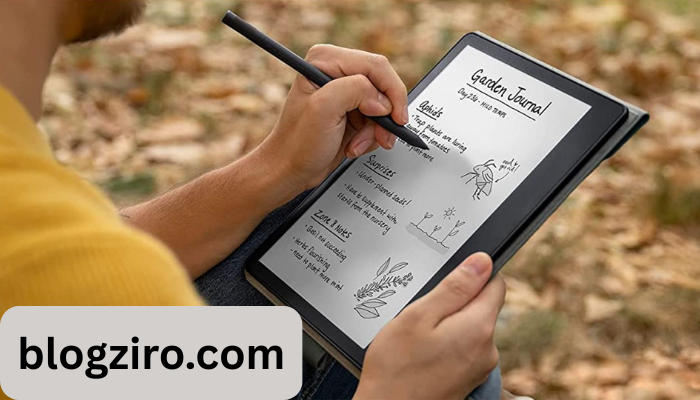
Ever wondered how a simple e-reader could transform your reading habits into a powerhouse of productivity? Note taking Kindle features have quietly revolutionized the way we interact with books, turning passive page-turning into an active, engaging process. Whether you’re a student juggling textbooks, a professional digesting industry reports, or just someone who loves diving deep into novels, these tools let you capture ideas on the fly without ever putting down your device. In this guide, we’ll explore everything from basic highlights to advanced integrations, helping you make the most of your Kindle experience.
As technology evolves,It capabilities keep getting better, blending seamless reading with effortless organization. Imagine highlighting a profound quote, adding your thoughts, and later exporting it all to your favourite app for review. It’s not just about reading anymore—it’s about building a personal knowledge library that grows with you. Stick around as we break it down step by step, with practical advice drawn from real user experiences and the latest device updates.
Why Note Taking Kindle Changes the Game for Readers
Diving into a book without tools to capture insights often means forgetting half of what you’ve read by the next day. That’s where It shines, offering a built-in system that keeps your thoughts organized and accessible. Unlike scribbling in physical books, which can feel permanent and messy, digital notes let you edit, search, and share without damaging the original text. This flexibility encourages more active engagement, making reading feel like a conversation rather than a monologue.
Beyond convenience, It promotes better retention and comprehension. Studies on active reading show that annotating helps solidify memories, and Kindle’s features make this effortless. For instance, you can color-code highlights to categorize ideas—yellow for key facts, blue for questions—which turns your device into a customizable study aid. Users report feeling more connected to the material, turning casual reads into valuable learning sessions that stick long after the last page.
What sets apart from other e-readers is its integration with Amazon’s ecosystem. Your notes sync across devices, so whether you’re on your Kindle at home or the app on your phone during a commute, everything stays in harmony. This seamless flow reduces friction, letting you focus on ideas rather than logistics. Plus, with privacy controls, you can keep your annotations secure, giving peace of mind in an era of data concerns.
Getting Started with Basic Features
Jumping into doesn’t require any fancy setup—it’s right there in your device from the get-go. Open a book, long-press on a word or sentence, and a menu pops up with options to highlight or add a note. Type in your thoughts using the on-screen keyboard, and it’s saved instantly. This simplicity is perfect for beginners who might feel overwhelmed by more complex apps.
Once you’ve added a few notes, accessing them is a breeze. Tap the top of the screen to bring up the menu, then select “Notes & Marks” to see everything compiled in one spot. Here, you can edit, delete, or even export your annotations. For example, if you’re reading a self-help book, jot down how a tip applies to your life right next to the relevant passage—it’s like having a personal dialogue with the author.
Don’t overlook the dictionary integration while style. Tapping an unfamiliar word brings up definitions, translations, or Wikipedia entries, which you can then annotate. This multilayered approach builds context without interrupting your flow. Beginners often start with just highlights, but adding short notes turns them into powerful reminders, evolving your reading from skimming to deep analysis.
Exploring Advanced Note Taking Kindle Techniques
Once you’re comfortable with the basics, It opens up a world of advanced tricks to elevate your game. One standout is the ability to create flashcards from highlights, especially useful on models like the Paperwhite Signature Edition. Select your annotations, convert them to study cards, and review them in shuffle mode—ideal for exam prep or language learning.
Exporting is another pro-level feature in it. From your Amazon account online, download all your notes as a CSV file or email them directly. This lets you integrate with tools like spreadsheets for data analysis or mind-mapping software for visual organization. Picture pulling quotes from a business book and dropping them into a presentation—it’s that straightforward and saves hours of manual copying.
Handwriting fans will love the stylus support on certain models, where it feels almost like paper. Draw diagrams, underline with precision, or even convert scribbles to text. This bridges the gap between digital and analog, making it easier to capture complex ideas that typing can’t quite handle. Experiment with these to find what boosts your productivity the most.
Choosing the Best Kindle Models for Note Taking in 2025
With the 2025 lineup, selecting a Kindle for note taking has never been more exciting. The Kindle Scribe stands out as the top pick for serious annotators, boasting a large 10.2-inch screen and included stylus for fluid writing. Its e-ink technology mimics paper, reducing eye strain during long sessions, and the new frontlight ensures visibility in any lighting.
For those on a budget, the Kindle Paperwhite 2025 offers solid note taking Kindle capabilities without the premium price. It supports highlighting, notes, and exports, plus waterproofing for reading by the pool. While it lacks handwriting, its sharp display and long battery life make it a reliable everyday choice for casual users.
The new Kindle Colorsoft introduces color highlights, adding a visual layer to note taking Kindle. Imagine color-coding notes in vibrant hues for better organization in textbooks or comics. However, it’s pricier, so weigh if the color feature justifies the cost for your needs.
If portability is key, the basic Kindle 2025 model handles core note taking Kindle well, though with a smaller screen. It’s lightweight and affordable, perfect for travelers who want to annotate on the go without bulk.
| Model | Screen Size | Stylus Support | Battery Life | Price Range | Ideal For |
|---|---|---|---|---|---|
| Kindle Scribe 2025 | 10.2 inches | Yes | Up to 12 weeks | $340+ | Advanced note taking and PDFs |
| Kindle Paperwhite 2025 | 6.8 inches | No | Up to 10 weeks | $150+ | Everyday reading and basic notes |
| Kindle Colorsoft 2025 | 7 inches | No | Up to 8 weeks | $250+ | Color-coded annotations |
| Basic Kindle 2025 | 6 inches | No | Up to 6 weeks | $100+ | Beginners and portability |
This comparison highlights how each model caters to different note taking Kindle styles, helping you pick one that fits your routine.
Essential Tips for Effective
To get the most from note taking Kindle, focus on quality over quantity in your annotations. Instead of highlighting entire paragraphs, zero in on key sentences that capture the essence. Add a brief note explaining why it matters to you—this personal touch makes reviewing more meaningful and helps with long-term recall.
Organize as you go by using color codes consistently. For nonfiction, orange might mean actionable advice, while green signals supporting examples. This visual system speeds up skimming later, turning your Kindle into a quick-reference tool. Pair it with regular reviews, like scanning notes weekly, to reinforce what you’ve learned.
Leverage the search function in note taking Kindle for efficiency. Type a keyword, and it pulls up all related highlights across books—great for thematic research. Also, experiment with voice-to-text if your model supports it, dictating notes hands-free during commutes.
Avoid clutter by periodically cleaning up old notes. Export what you need and delete the rest to keep your library tidy. This habit prevents overwhelm and keeps note taking Kindle feeling fresh and focused.
Integrating Note Taking Kindle with Productivity Apps
Note taking Kindle doesn’t exist in a vacuum—pairing it with other apps amplifies its power. Start with Evernote: export your Kindle notes and import them for advanced tagging and searching. This creates a central hub where book insights mingle with daily to-dos, fostering connections you might otherwise miss.
Notion users love building databases from note taking Kindle exports. Paste highlights into a reading log, link them to project pages, and watch your knowledge base expand. For example, notes from a marketing book could feed directly into a campaign brainstorm, saving time and sparking ideas.
Obsidian takes note taking Kindle to a wiki-like level with plugins that sync annotations automatically. Create bidirectional links between notes, turning scattered thoughts into a networked web of information. It’s especially potent for researchers or writers building on multiple sources.
Even simple tools like Google Docs work well—email notes to yourself and edit them collaboratively. This integration bridges solo reading with team workflows, making note taking Kindle a collaborative asset.
Common Mistakes to Avoid in Note Taking Kindle
One pitfall in note taking Kindle is over-highlighting, which dilutes the value of your annotations. When everything’s marked, nothing stands out—aim for selectivity to keep things impactful. Start by asking if a passage truly adds new insight before highlighting.
Another error is ignoring exports, leaving notes trapped on your device. Regularly transfer them to apps or files to make them actionable. Without this step, note taking Kindle becomes a forgotten archive rather than a living resource.
Poor organization plagues many users; without categories, notes turn chaotic. Implement a system early, like themed notebooks or consistent tags, to avoid sifting through mess later. This small effort pays off in saved time and reduced frustration.
Finally, don’t neglect device updates—new features often enhance note taking Kindle, like improved handwriting recognition. Staying current ensures you’re not missing out on tools that could streamline your process.
The Evolution of Note Taking Kindle Over the Years
Note taking Kindle started humbly with basic highlights in early models, evolving from clunky keyboards to intuitive touch interfaces. By the mid-2010s, syncing across devices became standard, allowing seamless transitions that felt revolutionary for avid readers.
Fast forward to 2025, and note taking Kindle incorporates AI-assisted summaries and color options, making it more versatile than ever. The Scribe’s stylus brought handwriting into the mix, blurring lines between e-reader and notebook. These advancements reflect user feedback, prioritizing ease and integration.
Looking back, each iteration addressed pain points—like faster typing or better search—turning note taking Kindle into a mature ecosystem. It’s no longer just for books; PDFs, articles, and even web clippings now support annotations, expanding its scope.
This progression shows Amazon’s commitment to innovation, ensuring note taking Kindle remains relevant in a digital world. As features grow, so does its potential to transform how we learn and create.
User Experiences and Quotes on Note Taking Kindle
Hearing from real users brings note taking Kindle to life. One avid reader shared, “Switching to note taking Kindle changed how I study—highlights sync to my phone, so I review on the bus without carrying books.” This highlights the portability that makes it a daily essential.
A professional noted, “In meetings, I pull up exported notes from industry reads; it’s like having a cheat sheet ready.” Such stories underscore how note taking Kindle bridges reading and real-world application, boosting efficiency.
Another user enthused, “The Scribe’s handwriting feels natural—I doodle diagrams alongside text, which typing can’t match.” Quotes like this reveal the tactile appeal that draws in analog lovers.
Even skeptics convert: “I thought digital notes were gimmicky, but organizing them in apps made me a believer.” These testimonials paint note taking Kindle as accessible and transformative for diverse users.
Customizing Your Note Taking Kindle Setup
Personalization is key to making note taking Kindle your own. Adjust font sizes and line spacing for comfort, then tweak highlight colors to match your workflow. This setup reduces eye strain and makes annotating feel intuitive.
Explore templates on models like the Scribe—pre-made layouts for journals, planners, or mind maps streamline starting new notes. Customize them further by adding sections, turning note taking Kindle into a tailored productivity tool.
Incorporate accessories, like a stylus grip for better control or a case with kickstand for hands-free viewing. These tweaks enhance the experience, making long sessions more enjoyable.
Finally, set up shortcuts for frequent actions, like quick exports or note searches. This customization evolves note taking Kindle from standard to superbly suited to your habits.
Note Taking Kindle for Students and Academics
For students, note taking Kindle is a boon during lectures or research. Annotate textbooks digitally, avoiding heavy backpacks, and search notes instantly for exam prep. It’s like having an infinite margin without the mess.
Academics appreciate the citation tools—highlight sources and add notes for bibliographies. Exporting to reference managers like Zotero integrates note taking Kindle into scholarly workflows seamlessly.
Group study benefits too; share highlights via email for collaborative discussions. This fosters teamwork without printing piles of paper.
In classrooms, the distraction-free screen keeps focus sharp, making note taking Kindle ideal for immersive learning. With battery life lasting weeks, it’s reliable through marathon study sessions.
Note Taking Kindle in Professional Settings
Professionals leverage note taking Kindle for reports and meetings. Jot insights from business books, then export to slides for presentations—efficient and polished.
In creative fields, annotate scripts or designs on PDFs, using the stylus for sketches. This versatility makes note taking Kindle a multifaceted tool.
Remote workers sync notes across teams, sharing annotations for feedback. It’s collaborative without needing extra software.
For lifelong learners, it curates a career-long knowledge base, with note taking Kindle evolving as skills grow.
Enhancing Creativity with Note Taking Kindle
Creativity thrives on captured ideas, and note taking Kindle excels here. Brainstorm plots in fiction reads, adding notes that spark stories.
Artists doodle alongside inspirations, blending text and visuals. The Scribe’s large canvas encourages freeform thinking.
Writers outline chapters directly in books, using note taking Kindle as a drafting pad. It’s discreet and portable for on-the-go inspiration.
Musicians annotate lyrics or theory, turning reads into creative fuel. This fusion ignites innovation effortlessly.
Troubleshooting Common Note Taking Kindle Issues
Sync problems occasionally arise in note taking Kindle—check your Wi-Fi and account settings to resolve. A quick restart often fixes glitches.
If notes vanish, they’re usually in the cloud; access via Amazon’s site. Backups prevent heartbreak.
Slow typing? Update firmware for smoother keyboards. These tweaks keep note taking Kindle running smoothly.
For storage woes, archive old books to free space without losing notes. Proactive maintenance ensures reliability.
The Environmental Impact of Note Taking Kindle
Switching to note taking Kindle reduces paper use, supporting eco-friendly habits. Digital annotations mean fewer printed books and notes.
Amazon’s recycling programs for old devices minimize waste. This sustainability angle appeals to green-minded readers.
By consolidating libraries digitally, It cuts shipping emissions from physical purchases.
Overall, it’s a small step toward greener reading without sacrificing functionality.
Future Trends in Note Taking Kindle
Looking ahead, AI integration could summarize notes automatically in it, saving time.
Voice commands might enable hands-free annotations, expanding accessibility.
Augmented reality overlays could blend digital notes with real-world views, revolutionizing learning.
As e-ink advances, faster refresh rates will make it even more responsive.
These trends promise an exciting evolution, keeping it at the forefront of digital reading.
Security and Privacy in Note Taking Kindle
Privacy matters in it—enable two-factor authentication on your Amazon account.
Notes are encrypted in transit, protecting sensitive info.
Control sharing settings to avoid unintended access.
Regular password updates bolster security, ensuring it remains a safe space for thoughts.
Comparing Note Taking Kindle to Other E-Readers
Versus Kobo, It offers broader book access via Amazon’s store.
ReMarkable focuses on notes but lacks reading depth; Kindle balances both.
iPad’s apps provide more, but distractions abound—Kindle’s focus wins for pure annotation.
This comparison shows it unique strengths in ecosystem and simplicity.
Building a Habit Around Note Taking Kindle
Start small: commit to one note per chapter to build momentum in it.
Track progress with apps that log reading streaks.
Join online communities for tips and motivation.
Consistent practice turns into second nature, enriching every read.
Note Taking Kindle for Fiction Lovers
Fiction isn’t just escapism—It captures themes and character arcs for deeper appreciation.
Jot reactions to twists, enhancing rereads.
Book clubs benefit from shared highlights, sparking discussions.
It adds layers to stories without spoiling the immersion.
Maximizing Battery Life During Sessions
Dim the light and turn off Wi-Fi when not syncing to extend sessions.
Avoid constant menu hopping; batch annotations.
These habits ensure it lasts through epic reads.
Accessorizing Your Experience
Cases protect while adding style; choose ones with stylus holders.
Screen protectors prevent scratches during handwriting.
Portable chargers keep you going on travels.
These add-ons elevate practicality.
Note Taking Kindle for Language Learners
Highlight vocabulary and add translations—It builds fluency.
Flashcards from notes quiz you on the go.
Immersion in foreign books with instant lookups accelerates progress.
It’s a pocket tutor for global minds.
The Role of Note Taking Kindle in Mindfulness Practices
Annotate meditation guides, reflecting on insights.
Journal thoughts alongside reads for self-growth.
This mindful approach deepens it impact on well-being.
Scaling Note Taking Kindle for Large Projects
For theses or books, organize by chapters in separate notebooks.
Link notes across files for comprehensive overviews.
This scalability makes note taking Kindle a powerhouse for big endeavors.
Conclusion
Wrapping up, note taking Kindle isn’t just a feature—it’s a gateway to more intentional, rewarding reading. From basic highlights to advanced integrations, it empowers you to capture, organize, and apply ideas like never before. As we’ve explored, whether you’re a student, professional, or hobbyist, these tools adapt to your needs, fostering growth and creativity. Embrace them, experiment, and watch your knowledge flourish. Your Kindle is more than a reader; it’s your partner in lifelong learning.
FAQ
What are the basic steps for note taking Kindle?
Getting into it starts with opening your book and selecting text by long-pressing. From there, choose to highlight or add a note, typing your thoughts directly. Review them anytime via the notes menu, and export for further use. This straightforward process builds confidence quickly.
Which Kindle model is best for advanced note taking Kindle in 2025?
The Kindle Scribe 2025 excels for advanced it, with its stylus and large screen for handwriting. It supports PDF annotations and conversions, making it versatile. Alternatives like Colorsoft add color, but Scribe’s focus on writing sets it apart for detailed work.
How can I integrate note taking Kindle with other apps?
Export your annotations from it to apps like Notion or Evernote for enhanced organization. Use plugins for seamless syncing, creating linked databases. This turns isolated notes into interconnected knowledge, boosting productivity across platforms.
What common mistakes should I avoid in note taking Kindle?
Over-highlighting clutters your notes in it, so be selective. Neglecting exports keeps insights locked away—transfer regularly. Poor categorization leads to chaos; use colors and tags from the start for clarity.
Can note taking Kindle help with creative writing?
Absolutely, note taking Kindle sparks ideas by letting you annotate inspirations in books. Jot plot twists or character notes, then export to writing software. It’s a discreet way to build stories on the go, blending reading with creation.
Is note taking Kindle secure for sensitive information?
Note taking Kindle uses encryption for your annotations, with account security features like two-factor. Control sharing to keep things private. Regular updates patch vulnerabilities, ensuring a safe space for personal or professional notes.