 By blogziro123@gmail.com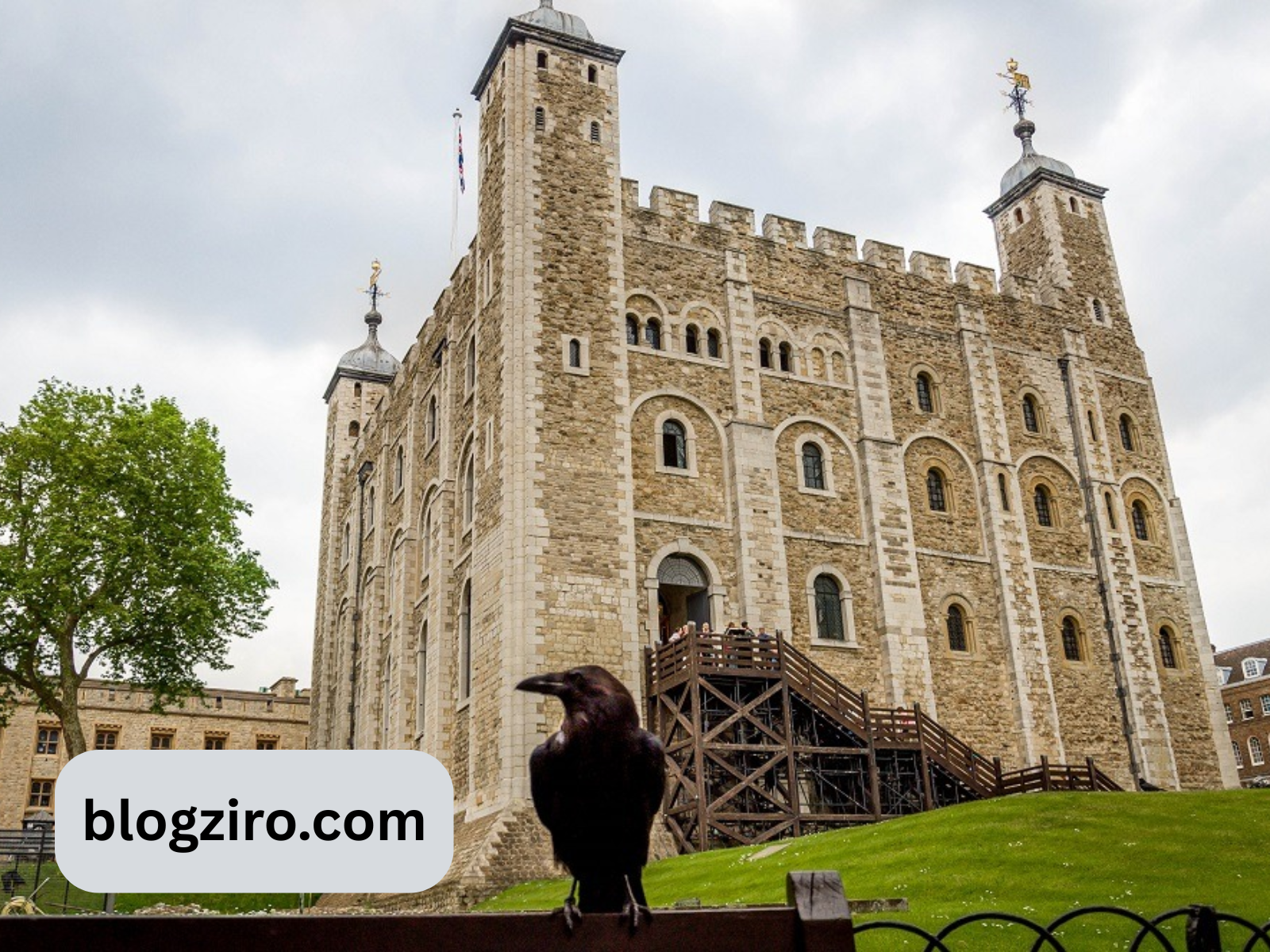
Meta Description:
Tower of London Ravens Discover the fascinating history and legends surrounding the ravens at the Tower of London. Learn why these iconic birds are crucial to British history and their symbolic role today.
The Tower of London Ravens: Legends, Secrets & Symbolism Explained
The Tower of London Ravens one of the most iconic historical landmarks in the UK, is home to a fascinating legend—one that involves a group of ravens. These dark, intelligent birds have been part of the Tower’s history for centuries, playing a role that goes beyond mere superstition. The ravens of the are not just part of its rich history, but also a key to understanding the mystical and symbolic world of British folklore.
In this article, we will dive into the history, legends, and cultural significance of the ravens at the Tower of London Ravens. You’ll learn about their role in British royal history, why they are so important, and the ongoing efforts to preserve this unique tradition.
The Role of Ravens at the Tower of London: A Historic Overview
Ravens as Part of British Royal History
The Tower of London has been a fortress, a royal palace, and even a prison. It has housed kings and queens, prisoners, and valuable treasures. But perhaps the most unusual residents of this historical site are the ravens.
The first known mention of ravens at the Tower dates back to the reign of King Charles II in the 17th century. According to legend, the king was warned by a soothsayer that the kingdom would fall if the ravens ever left the Tower. Fearing this omen, Charles II ordered that the ravens be kept within the Tower’s walls and that their wings be clipped to prevent them from flying away.
Although the exact details of this legend remain debated, the tradition of keeping ravens at the Tower has continued for centuries. Today, there are typically six ravens housed at the Tower, cared for by a dedicated team known as the Ravenmaster.
The Symbolic Importance of the Ravens
The ravens at the Tower of London are not just a historical curiosity—they also hold deep symbolic significance in British culture. In the past, ravens were often associated with omens, death, and mystery, but at the Tower, they have come to symbolize protection and power.
The legend that the kingdom would fall if the ravens left has kept these birds firmly rooted in the Tower, serving as a living reminder of British folklore and royal tradition. In essence, the ravens have become guardians of the Tower, watching over the crown and its history.
Meet the Ravenmaster: Guardian of the Tower Ravens
Who is the Ravenmaster?
The Ravenmaster is the official keeper of the ravens at the Tower of London. This role is a unique and highly respected position within the Tower. The Ravenmaster is responsible for feeding, caring for, and ensuring the safety of the ravens. Additionally, the Ravenmaster plays a key role in educating visitors about the ravens and their historical significance.
The role of Ravenmaster has been held by several individuals over the years, but it remains a position with deep ties to the history and traditions of the Tower. The current Ravenmaster, Chris Skaife, has worked at the Tower for over 15 years and has become a well-known figure for his passion and commitment to these remarkable birds.
The Ravens’ Daily Routine
The ravens’ daily life at the Tower involves more than just flying around the grounds. They are fed regularly, given treats like hard-boiled eggs and meat, and their safety is always a priority. The Ravenmaster and his team monitor the birds’ health, ensuring they are well-fed and active.
The ravens are also allowed to roam the grounds of the Tower, often seen perched on the ancient stone walls or flying gracefully above the Tower. However, their wings are clipped to prevent them from flying too far away, ensuring they remain a permanent fixture at the Tower.
The Legends Surrounding the Tower of London Ravens
The Most Famous Legend: “The Kingdom Will Fall”
As mentioned earlier, one of the most enduring legends of the Tower of London revolves around the ravens and the prophecy that the kingdom would fall if they were ever to leave. This superstition has been passed down through generations and has become one of the most well-known aspects of the Tower’s history.
Though there’s no definitive evidence that Charles II truly believed in the prophecy, it’s clear that the monarch took the soothsayer’s warning seriously enough to order the protection of the ravens. Over time, this story has been woven into the fabric of British folklore, reinforcing the idea that the ravens are essential to the stability and safety of the monarchy.
Other Legends and Myths
In addition to the kingdom’s alleged downfall, the ravens at the Tower of London have been tied to several other myths. Some believe that the ravens’ presence protects the crown and ensures the safety of the British monarchy. Others say that the birds are guardians of the Tower, ensuring that no harm comes to the royal family and the historical treasures within the fortress.
Interestingly, ravens were once thought to have mystical powers. In medieval Europe, they were often associated with the god Odin in Norse mythology, where they were seen as symbols of wisdom and prophecy. This connection between ravens and the divine may have played a part in their continued presence at the Tower of London.
Why Are the Ravens’ Wings Clipped?
The Tradition of Clipping Raven Wings
One of the most distinctive aspects of the Tower’s ravens is that their wings are clipped. This is done to prevent them from flying away and to ensure they remain at the Tower. While it may seem cruel to some, it is a tradition that dates back centuries, and it is done with the utmost care and attention to the birds’ well-being.
The practice of wing clipping ensures that the ravens stay within the confines of the Tower, preserving the legend and tradition that has been part of British history for generations. It also helps to ensure the ravens’ safety in the busy environment of the Tower, where they are free to roam among visitors and staff.
Key Takeaways
-
The ravens at the Tower of London have been a part of British history for centuries, with the first official record dating back to the reign of King Charles II.
-
According to legend, the ravens must remain at the Tower to prevent the kingdom from falling.
-
The Ravenmaster is responsible for caring for the ravens, ensuring they are well-fed and safe.
-
Ravens are symbolic of protection and power, representing the strength of the British monarchy.
-
Their wings are clipped to prevent them from leaving, preserving both the tradition and the safety of the birds.
People Also Ask
1. How many ravens are kept at the Tower of London?
There are typically six ravens at the Tower of London, though the number may vary slightly depending on the birds’ health and wellbeing.
2. Do the ravens’ wings get clipped permanently?
Yes, the ravens’ wings are clipped to prevent them from flying away, but this is done carefully to ensure they remain healthy and able to move around freely within the Tower grounds.
3. Why are ravens so important to the Tower of London?
Ravens are considered guardians of the Tower and symbols of British folklore. According to legend, the kingdom will fall if the ravens ever leave.
4. Who takes care of the ravens at the Tower of London?
The ravens are cared for by the Ravenmaster, a dedicated role responsible for feeding, caring for, and ensuring the safety of the birds.
5. What do the ravens eat at the Tower of London?
The ravens are fed a diet of meat, hard-boiled eggs, and other treats. Their diet is carefully managed to ensure they remain healthy and active.
6. Can you visit the Tower of London and see the ravens?
Yes, visitors to the Tower of London can see the ravens up close and learn about their fascinating history and role in British culture.
Conclusion
The ravens of the Tower of London are much more than just birds; they are living symbols of British history, culture, and legend. Whether guarding the Tower from the shadows or perched on its ancient walls, these ravens continue to play a crucial role in the Tower’s legacy. By learning about them, we connect with centuries of tradition and folklore that shape the story of the Tower of London—and the British monarchy itself.